
Lesson Learned #50 - Making It Look Easy
... Even when it isn't.

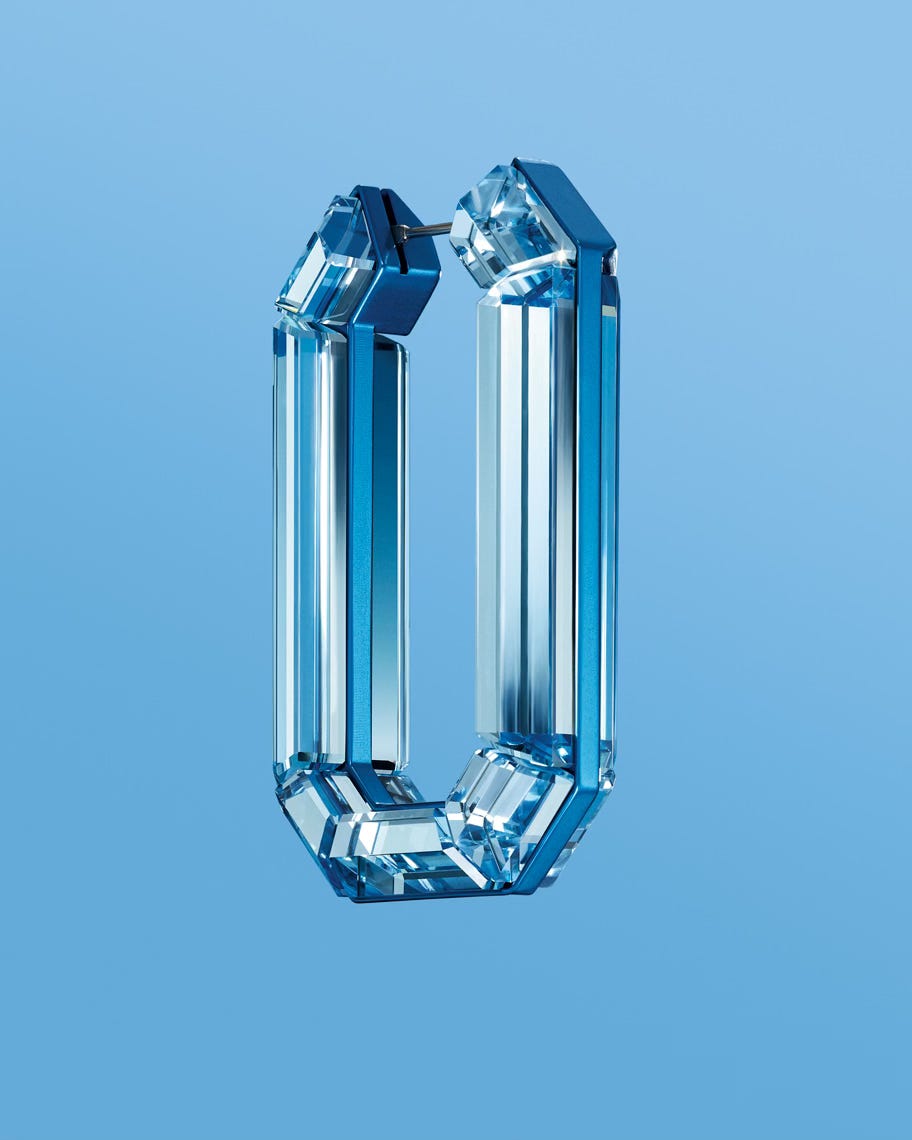
Making things look easy can be hard work. In our industry, a simple image often hides hours of labor. For the commercial photographer, the challenge is to present images with requisite clarity and elegance, while hiding any traces of the blood, sweat and tears it took to get there.
Here’s a quote from Sally Mann, “Our best work has a casual Noël Coward insouciance about it, Nick Charles in velvet slippers at the bar cart. It’s not facile; it still needs to do art’s heavy lifting, but it must never be seen to break a sweat; paradoxically, it’s authenticity depends on the impression of effortlessness, on the nonchalance of a miracle.”
Despite the fact that new software and technical advances reduce the amount of expertise and effort needed to execute a satisfactory image, you can still find yourself in the weeds, trying to make something better than satisfactory, fretting about why things are taking so terribly long. The road to a great image can be tortuous (and torturous!) - hours of fussing with lights while the producer nervously checks her watch. Your greatest weapon against these moments is experience, practice, anticipation and patience.
The Swarovski advertising image above may look straightforward, but this type of emerald cut jewelry is very difficult to light well. From the moment I saw the piece, I realized it would take a while, and planned the day accordingly. When the art director and I were mapping out the day, he casually dismissed this earring as something we could quickly shoot at the end, but I warned him that wasn’t necessarily the case. Preparing a client for potentially difficult shots has its advantages; it shows you’ve had some experience and they’ll be pleasantly surprised if things go smoothly.
Part of the effort/time calculation includes the question, “Can’t we just do this in Photoshop?”. The answer is usually 'yes’, with some factors to consider: How long will it take to fix in camera vs. how long (i.e. cost) in post? How real does this photograph need to look? The more you rely on retouching, the more artificial the image ends up looking.
When you’re starting a job without any related experience, it’s a good idea to have someone around who can anticipate and handle potential issues. Hire an assistant or stylist who’s worked on similar projects. Make sure to have a conversation with them beforehand, explaining what you’d like help with and, if necessary, tell them to be discreet. The last thing you want is an assistant or stylist looking like they know more than you do.
Starting out, it’s important to prepare yourself for some long hours. Don’t be surprised if something you thought would be simple turns out to be a nightmare. In a way, it can be a relief to know it’s not you, but your expectations that need adjusting. If you can maintain your enthusiasm through the long hours, and stick to your aesthetic convictions in spite of some late nights, your work will improve and what once seemed impossible, will soon become second nature.